The TIAA Review:
Asset or Anchor?
Empowering American educators with the cold, hard facts about their retirement portfolios. No commissions. No affiliations. Just the truth.
Read the 2026 Verdict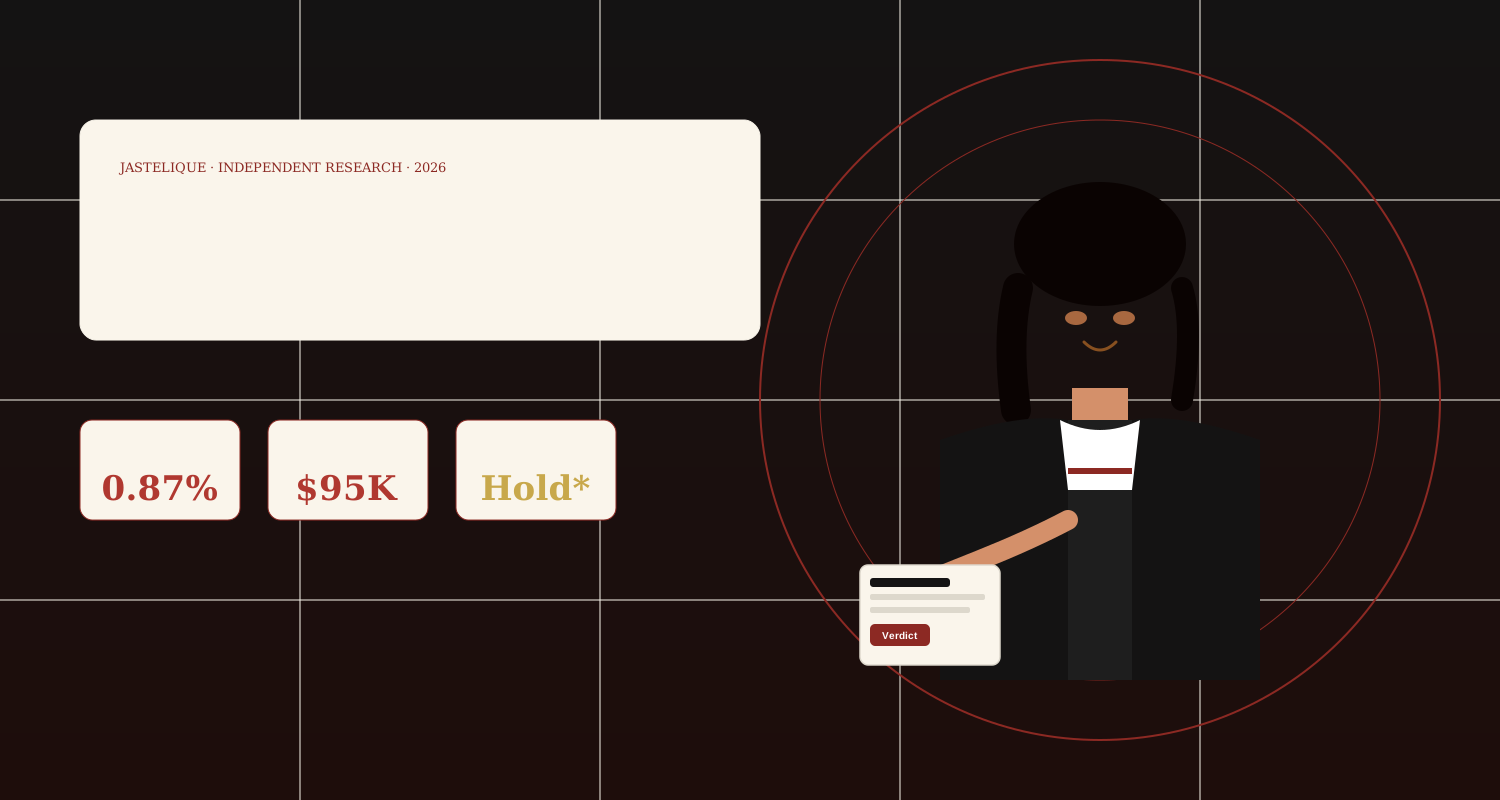

Should You Stay
in TIAA in 2026?
Our current analysis suggests a nuanced "Hold" for many educators, but with significant caveats regarding TIAA Traditional and hidden fee structures.
 01 / TRADITIONAL ANNUITY
The Liquidity Trap
While offering stability, the Traditional Annuity can lock your capital for up to 10 years. We analyze when security becomes a cage.
 02 / FEE TRANSPARENCY
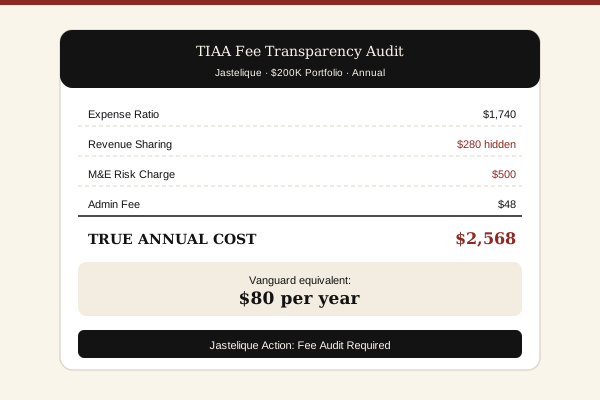
Hidden Costs
TIAA's fee structure can be opaque. We break down the record-keeping versus investment management expenses.
 03 / TRANSFERS
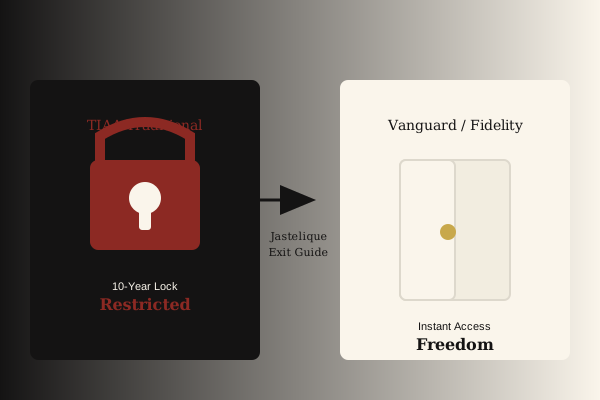
The Escape Path
Ready to move to Vanguard or Fidelity? Our step-by-step guide helps you avoid surrender charges and tax pitfalls.
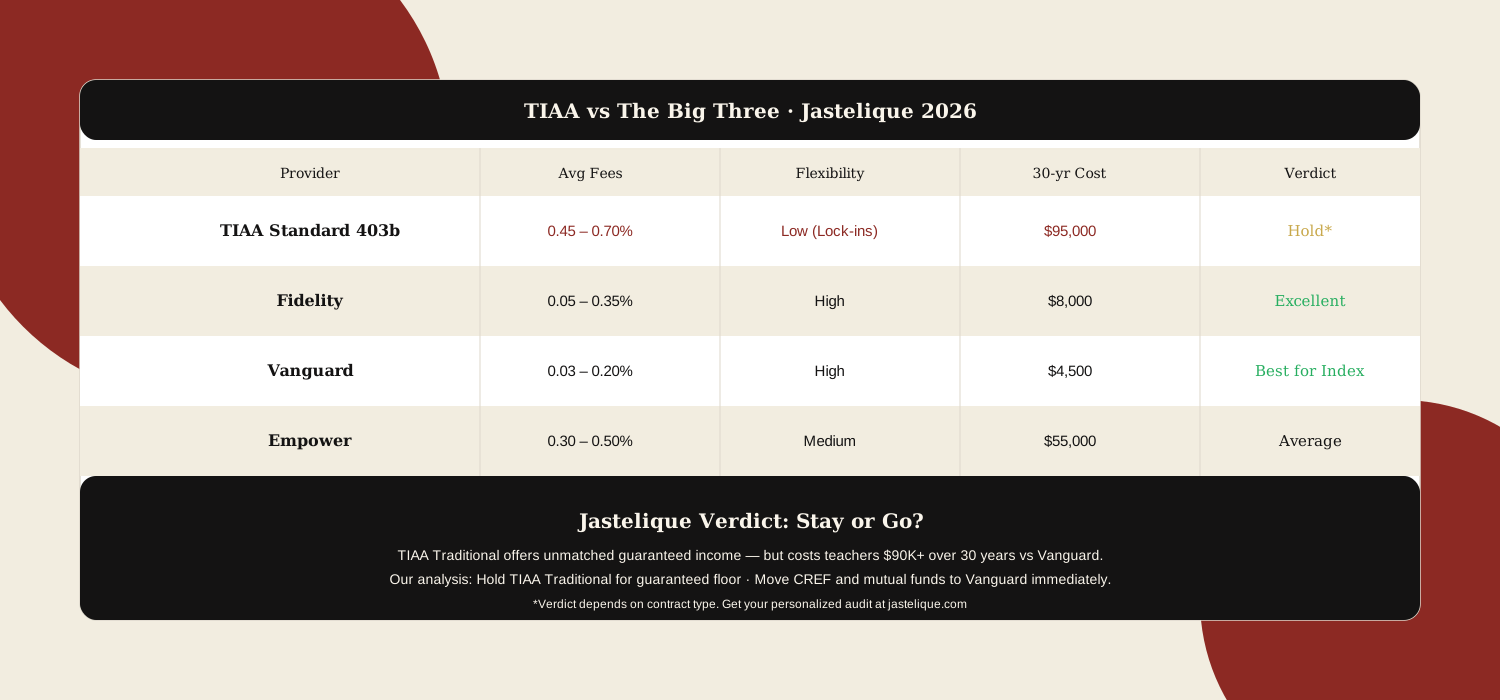
TIAA vs. The Big Three
| Provider | Avg. Fees | Flexibility | Jastelique Verdict |
|---|---|---|---|
| TIAA (Standard 403b) | 0.45% - 0.70% | Low (Lock-ins) | Mixed / Variable |
| Fidelity | 0.05% - 0.35% | High | Excellent for Growth |
| Vanguard | 0.03% - 0.20% | High | Best for Indexing |
| Empower | 0.30% - 0.50% | Medium | Average Utility |

Frequently Analyzed
Is TIAA Traditional safe?
TIAA has an incredibly strong claims-paying ability rating. It is safe from a bankruptcy perspective, but "safe" doesn't always mean "good return" when inflation is considered.
How do I transfer my TIAA 403b to an IRA?
This depends on your specific contract (RA, SRA, GRA). Some allow lump-sum transfers, others require a TPA (Transfer Pay-out Annuity) over 10 years. We recommend checking your "Plan ID" first.
What are the "hidden" fees in CREF funds?
CREF accounts often have administrative fees and "expense offsets" that aren't always clearly displayed on your main dashboard. Look at your quarterly statement's fine print.
Ready for a
Clear Portfolio?
Stop guessing. Start knowing. Download our independent educator's guide to TIAA optimization.
Begin Analysis